





Support Service Sector
Support Service Sector
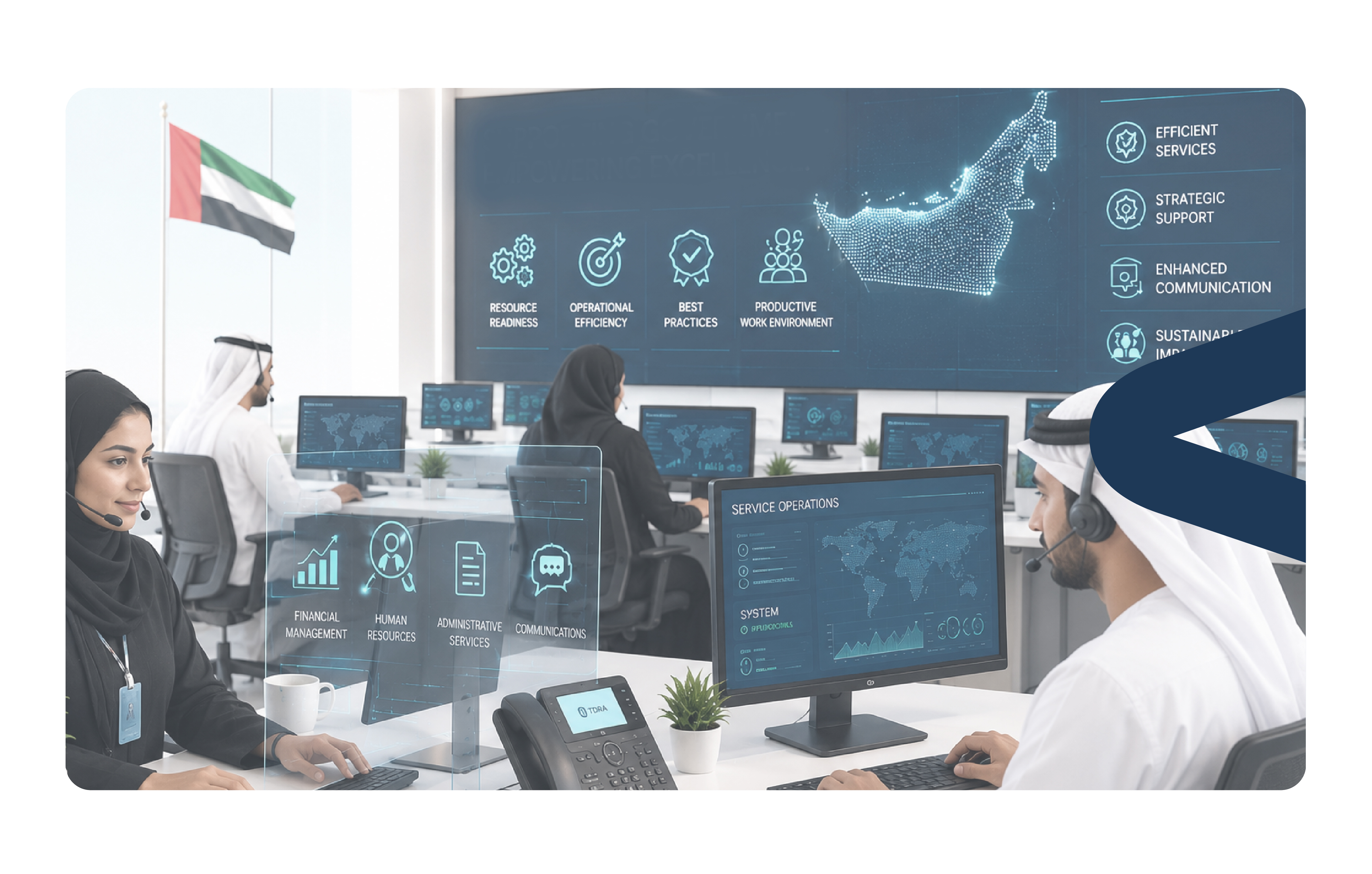
The Support Services Sector at the Telecommunications and Digital Government Regulatory Authority (TDRA) is responsible for delivering support services that enable sectors and departments to operate efficiently and effectively. This includes managing financial and human resources, enhancing corporate communications, and providing administrative services in line with best practices. The sector contributes to achieving TDRA’s strategic objectives by ensuring resource readiness, improving operational efficiency, and fostering a productive work environment.

TDRA’s Recruitment Portal
In line with government directions toward digital transformation and the adoption of smart services, the human capital planning section has developed and activated TDRA’s recruitment portal as the official platform for managing recruitment and hiring processes. It is the first recruitment portal integrated with the UAE PASS digital identity system, which has contributed to automating procedures and transforming them from paper-based to paperless processes, standardizing workflows, and reducing operational steps. This enhances operational efficiency and contributes to improving both the speed of delivery and the quality of outcomes.
Sanad System
Smart technologies were implemented through the “Sanad” system to support recruitment processes by screening and analyzing résumés, aligning job requirements with job descriptions, and providing intelligent recommendations for the most suitable candidates. The system also enables the suggestion of appropriate résumés upon the creation of a job vacancy without the need to publish the vacancy externally, which contributes to improving recruitment efficiency and enhancing the quality of nominations.
Human Capital Strategy Development
The Human Capital Strategy at The Telecommunications and Digital Government Regulatory Authority (TDRA) represents an integrated strategic framework derived from TDRA’s overall strategy. It serves as a key reference for guiding human capital initiatives and programs, ensuring their alignment and integration with TDRA’s strategic directions, and strengthening the role of the Human Capital Department as a strategic partner in supporting and achieving TDRA’s objectives. The Human Capital Strategy project is directly linked to TDRA’s strategy and is considered one of the key enablers for achieving TDRA’s strategic objectives by building capable human resources that are prepared for the future.
Role of the Support Service Sector
The Support Services Sector manages and develops corporate service functions across TDRA, including financial planning, human capital development, corporate communications, and administrative services. It also focuses on optimizing resource utilization, enhancing integration across departments, and improving the quality of internal services to support business continuity and institutional performance.
Results of Key Impact Indicators of Sector Activities

Communication Activities Output Achievement Rate
- The key performance indicators of the Corporate Communications Department maintained positive levels in 2025. The Communication Activities Output Achievement Rate reached 96%, reflecting a high level of commitment to implementing communication plans.

Efficiency and Effectiveness Rate
- The Efficiency and Effectiveness Rate recorded 87%.

Positive Reputation Rate
- The Positive Reputation Rate reached 105%, indicating continued achievement of results exceeding targets.

User Engagement and Interaction Rate
- The User Engagement and Interaction Rate also reached 100%, reflecting stable engagement levels and the achievement of approved targets.
Key Strategic Indicators
Emiratization Rate
The Human Resources Planning Section maintained the achievement of Emiratization targets in 2025, with the Emiratization rate reaching 90%, reflecting a stable level of national talent employment and continued commitment to approved strategic targets, while supporting TDRA’s efforts to enhance the participation of national talent.
Percentage Of Trained Employees Out of Total Employees
The Talent Management Section maintained advanced levels in training indicators in 2025. The Percentage of Trained Employees out of Total Employees reached 100%, reflecting the comprehensive coverage of training programs and high participation levels.
Average Training Hours Per Employee
The Average Training Hours per Employee recorded 49 hours, indicating continued investment in capability development and enhancing employee readiness, supporting the achievement of institutional objectives.